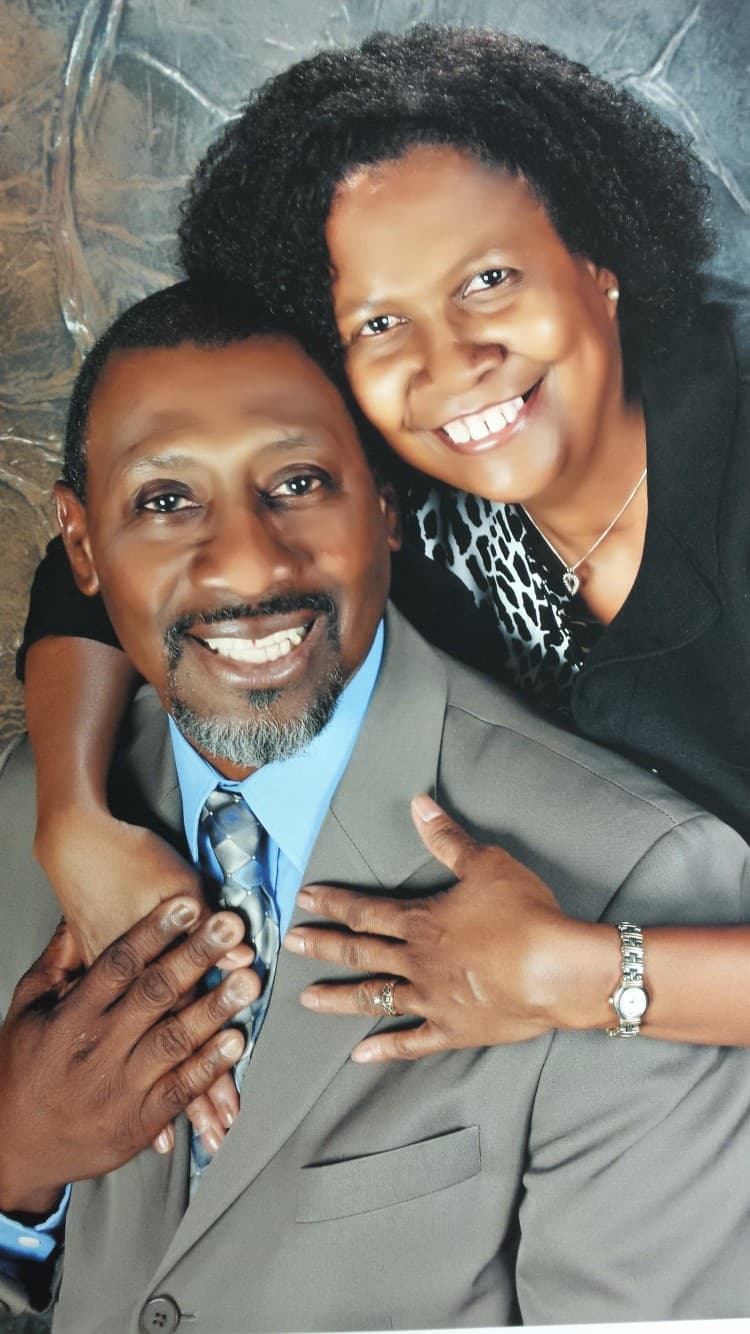
Every Christian should know what it is to be a prisoner in bondage. Before grace found us, we were all trapped in sin's prison, unable to free ourselves— this is exactly why Jesus came, to set the captive free (Galatians 3:22-23; John 8:36). If we have tasted that freedom, we above all people should carry it back to those still in chains, whether spiritual or literal. I am Ira Walton Sr., pastor of Crenshaw Community Baptist Church.
Sometimes we forget that behind every cell there's a soul, maybe in your own city or town. They are fathers, mothers, sons, and daughters who have missed countless birthdays, another anniversary, and the funeral of a loved one. They sit on a bunk behind those brick walls and steel doors; despite their crime, they still wonder if anyone cares or even thinks of them. Behind every statistic in our jails and prisons is a person made in the image of God— a God who has never stopped loving them, even in their darkest hour. This is the heart of jail and prison ministry: not walking into a hall of fame, but walking into halls of darkness, where shame, loneliness, fear, despair, and hopelessness plaster the walls like a cheap wallpaper— Until light shows up, bringing with it the good news, proving that no one is beyond the reach of God's mercy.
In every state, city, and town, we see the effects playing across our televisions— crime and heinous acts carried out against the most vulnerable: women and children and the elderly, across every community. And when the perpetrators are apprehended, they end up behind the brick walls and steel doors that I know all too well, and for many, that is where the story seems to end. For the world, it moves on to the next headline, but that doesn't mean the perpetrators disappear. They are still there, still breathing, still capable of change — and often, still forgotten.
Life today makes it easy to write people off once they've been locked away and convicted. But that isn't the Gospel we were entrusted with. I recall Jesus spending His final hours on earth between two criminals, and His recorded words to one of them were, "Verily I say unto thee, To day shalt thou be with me in paradise." It wasn't a list of accusations, but a promise (Luke 23:43). If Jesus on the cross could look on the condemned with compassion, then so must we.
A Personal Word
I don't write about this from a distance. When I was sixteen, I was arrested for the first time — shoplifting — and spent two hours in the city jail waiting for my mother to come and bail me out. They placed me in a holding cell with an adult man who was highly intoxicated. I was afraid, and I remember holding onto those steel bars for two straight hours. The second time, I was attending culinary school in Kansas City, and an altercation broke out at a restaurant one night. It truly wasn't my fault, but the officer on the scene knew the other person involved, and I was taken to jail. I was released shortly after without a record, but I still remember what it felt like to be on that side of the bars.
In 1997, I had the privilege of graduating from the State Trooper Academy in Selma, Alabama. I mention that only so you'll know I have seen this from both sides — the side being locked in, and the side holding the keys. That is part of why I carry a real sympathy for the men and women behind those brick walls and steel doors. For about seven years now, I have been involved in jail ministries in two different counties here in Alabama, and I can tell you firsthand: the need is real, and so is the harvest.
What the Word of God Says
The Scriptures speak with tenderness, not condemnation, toward those in bondage.
Jesus tells us plainly that when we visit the imprisoned, we are visiting Him:
“I was in prison, and ye came unto me... Verily I say unto you, Inasmuch as ye have done it unto one of the least of these my brethren, ye have done it unto me.”
He is just as clear about the sorrow of being forgotten:
“I was in prison, and ye visited me not.”
Hebrews calls us not merely to pray for prisoners from a distance, but to feel their chains as our own:
“Remember them that are in bonds, as bound with them.”
Jesus described His own mission:
“The Spirit of the Lord God is upon me... to proclaim liberty to the captives, and the opening of the prison to them that are bound.”
“He hath sent me to heal the brokenhearted, to preach deliverance to the captives, and recovering of sight to the blind, to set at liberty them that are bruised.”
David, a man after God's own heart, knew what it was to feel trapped and hopeless, and he cried out honestly to the Lord in that place:
“Bring my soul out of prison, that I may praise thy name.”
And the Psalmist reminds us of God's own tender heart toward the captive:
“The Lord looseth the prisoners.”
Even Paul and Silas, unjustly beaten and thrown into a cell, chose to sing rather than despair — and their jailer, a man who guarded them, was himself set free that same night (Acts 16:25-33). Grace reached into that cell before any of them walked out of it.
Why This Ministry Matters So Much
It matters just as much as when you were locked in sin's prison until liberation and a pardon came after someone shared the Gospel with you. Jail ministry reminds people they are still loved. I have witnessed firsthand that many inmates go months or years without a single visitor or letter. A friendly face and a kind word can be the first act of grace they have felt in a long time.
It's where real pain meets real hope. Shame, regret, broken families, and hopelessness are heavy burdens. The Gospel offers something the prison system cannot: forgiveness and a new start.
It cares for the whole family. When a man or woman finds Christ and healing inside, it often reaches back out to spouses, children, and parents who have been suffering right alongside them.
It follows Jesus into correctional facilities. He didn't wait for the world to come to Him — He went to the outcast, the sick, and the imprisoned Himself.
It believes redemption is always possible. No sentence, no past, and no cell can put someone beyond the reach of God's love.
A Resource Worth Knowing: Rock of Ages Prison Ministry
For anyone who feels a tug on their heart to get involved, Rock of Ages Prison Ministry (ROAPM) is a gentle place to start. Founded in 1978 by Dr. Ed Ballew, it grew out of a simple desire to encourage lonely people with the Gospel, and has since become a worldwide outreach across Europe, Asia, Africa, and North and South America. Their work includes:
- Full-time missionary chaplains who walk alongside inmates week after week
- Revival teams who spend hours in one-on-one, cell-to-cell visitation
- Free Bibles, Gospel literature, and discipleship materials for those who ask
- A ministry devoted especially to reaching younger, first-time offenders
- Support for military families facing their own kind of separation and hardship
More information is available at roapm.org.
A Closing Word
Prison ministry will never be glamorous, and it rarely makes headlines. It happens quietly — a letter written, a visit kept, a Bible study led inside a chapel that few people ever see. But it is some of the most Christlike work there is. "Bring my soul out of prison, that I may praise thy name" (Psalm 142:7) is still the quiet cry of many behind bars tonight. May the Church keep answering it with patience, humility, and love.